 Business License

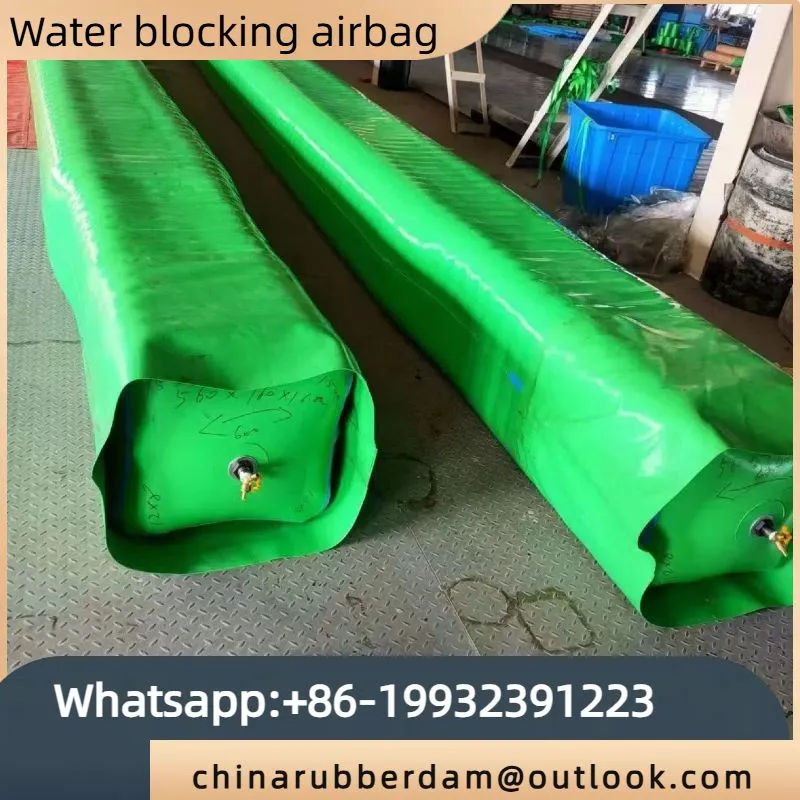
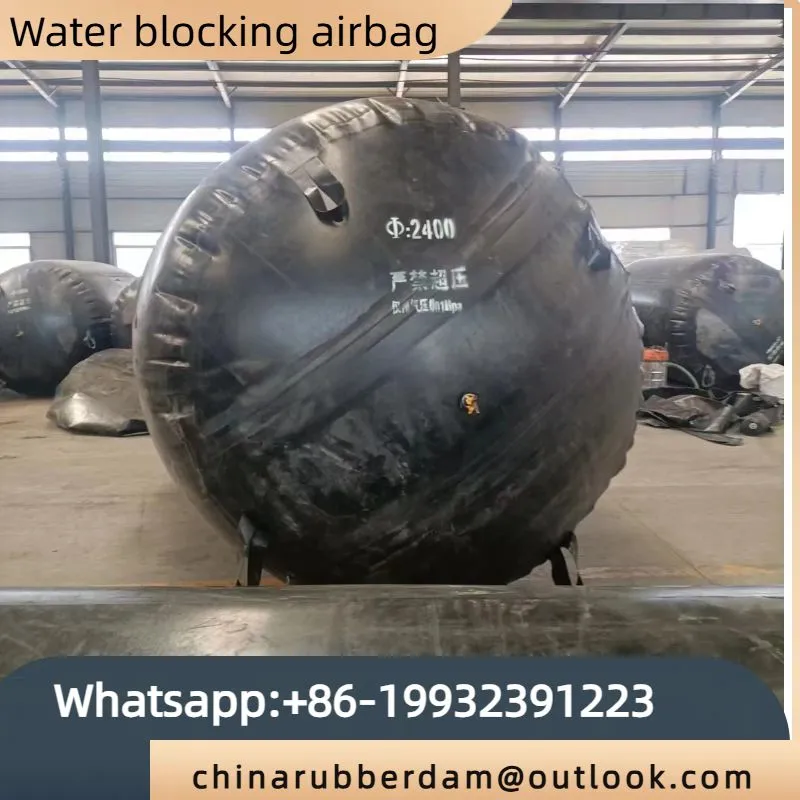
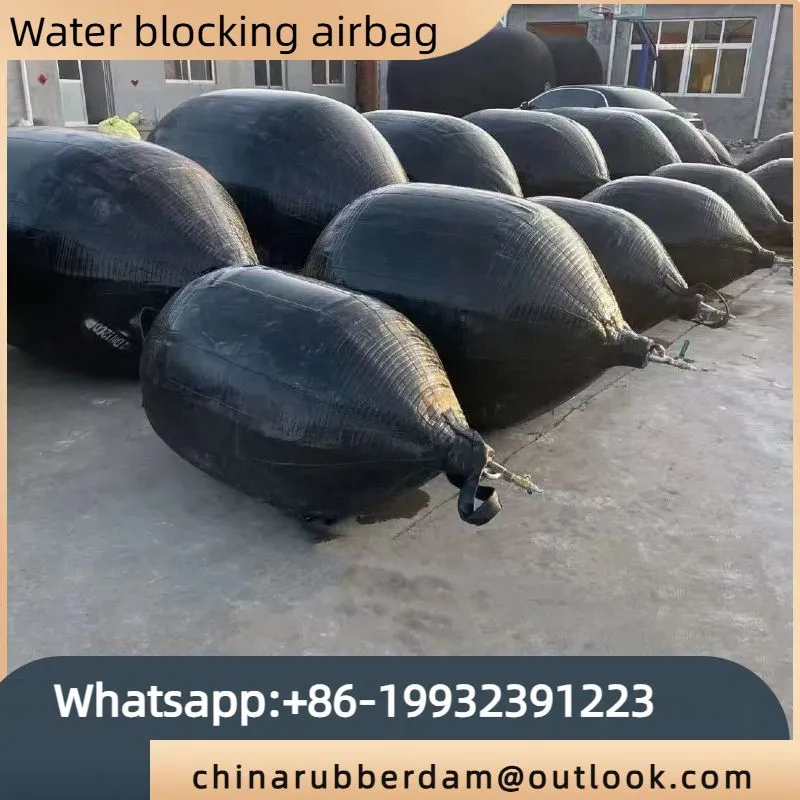
Municipal Water Blocking Airbag: A Vital Tool in Pipeline Maintenance
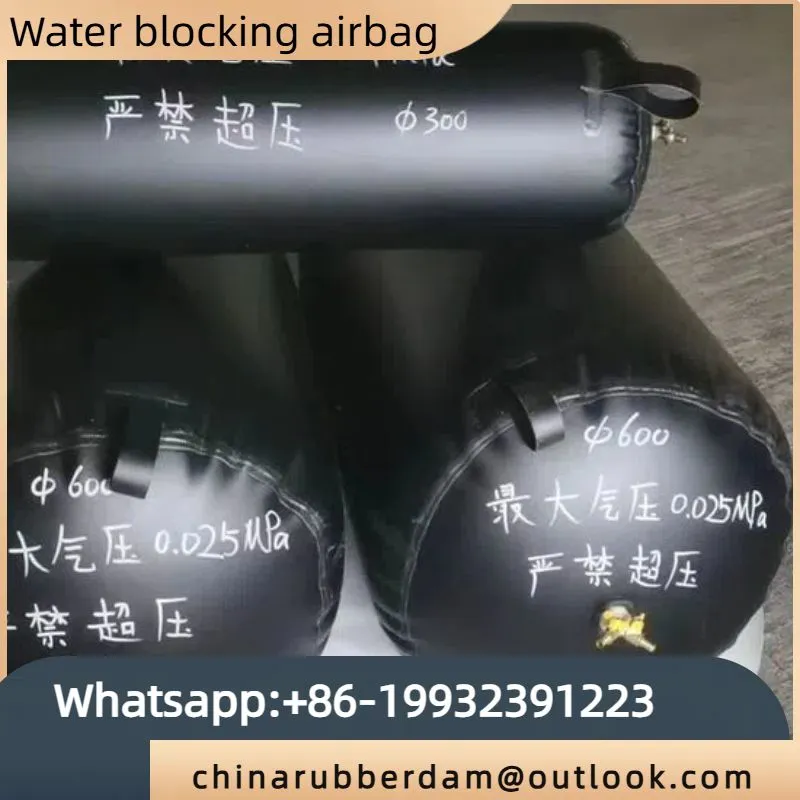
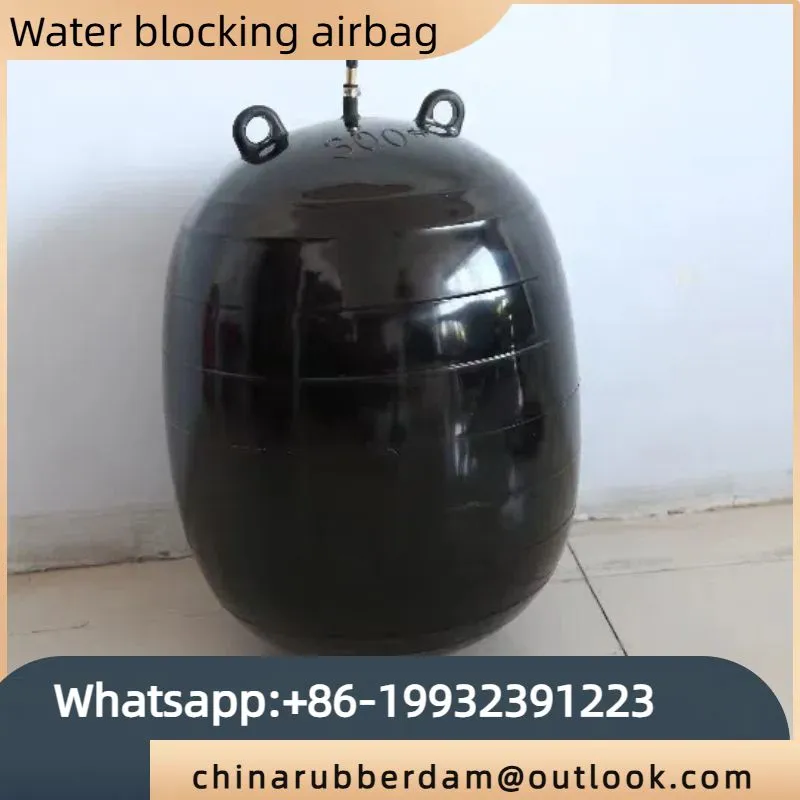
Main Body: The main body of the water blocking airbag is made of high - quality rubber. This rubber is selected for its excellent elasticity, flexibility, and wear - resistance. Reinforcing materials such as fiber fabrics are often embedded within the rubber to enhance its strength and durability, enabling it to withstand high internal air pressure and external forces from the pipeline environment.
Inflation Valve: The inflation valve is a crucial component for controlling the inflation and deflation of the airbag. It is designed to be easy to operate, allowing workers to quickly inflate the airbag to the required pressure. The valve also has a reliable sealing mechanism to prevent air leakage during the inflation process.
Pressure Gauge: Many high - quality water blocking airbags are equipped with a pressure gauge. This gauge allows workers to accurately monitor the air pressure inside the airbag during inflation. By controlling the pressure within a safe and appropriate range, the risk of over - inflation (which could lead to airbag rupture) or under - inflation (resulting in ineffective sealing) is minimized.
Pipeline Repair: When a pipeline has a leak or requires maintenance work, the water blocking airbag is used to isolate the section of the pipeline where the work is to be carried out. By blocking the water flow, workers can work in a dry environment, which is safer and more conducive to efficient repair work. For example, in the repair of a damaged sewage pipeline in a residential area, the airbag can be inserted to stop the flow of sewage, preventing environmental pollution and facilitating the replacement of damaged pipeline sections.
Closed - Water Testing: In the construction or renovation of pipelines, closed - water testing is an important step to ensure the integrity and tightness of the pipeline. The water blocking airbag is used to seal both ends of the pipeline section to be tested. Water is then filled into the pipeline, and the airbag helps maintain the water pressure within the pipeline for a certain period. By observing whether there is any water leakage, the quality of the pipeline can be effectively evaluated.
Leak Detection: In cases where the exact location of a pipeline leak is unknown, the water blocking airbag can be used to divide the pipeline into sections. By inflating the airbag in different sections and observing changes in water pressure or flow, the section where the leak is located can be narrowed down, facilitating more targeted leak detection work.
Easy to Operate: The installation and inflation process of the water blocking airbag are relatively simple. Workers with basic training can quickly master the operation method, reducing the time and labor required for pipeline maintenance work.
High Sealing Performance: Once inflated, the airbag can form a tight seal with the pipeline wall, effectively blocking the flow of fluids. This high - level sealing performance ensures the success of various pipeline - related operations.
Reusability: Made of durable materials, the water blocking airbag can be reused multiple times under normal conditions. This not only reduces the cost of pipeline maintenance but also conforms to the concept of environmental protection by reducing waste.
Versatility: Water blocking airbags are available in a variety of sizes and specifications, which can adapt to pipelines of different diameters and shapes. Whether it is a circular, oval, or rectangular pipeline, there is usually a suitable airbag for use.
Proper Selection: When choosing a water blocking airbag, it is necessary to select the appropriate size and type according to the actual diameter, shape, and working pressure of the pipeline. Using an airbag that does not match the pipeline parameters may lead to ineffective sealing or even damage to the airbag.
Inflation Pressure Control: Strictly follow the recommended inflation pressure range provided by the manufacturer. Over - inflation can cause the airbag to burst, while under - inflation will result in poor sealing performance. Regularly check the pressure gauge during the inflation process to ensure accurate pressure control.
Inspection Before Use: Before each use, carefully inspect the airbag for any signs of damage, such as cracks, punctures, or wear. If there are any defects, the airbag should be repaired or replaced to avoid potential safety hazards during use.
Safe Operation: During the inflation and deflation process, workers should keep a safe distance from the airbag to prevent injury in case of unexpected airbag rupture. In addition, when operating in a confined space or a dangerous environment, appropriate safety measures and protective equipment should be taken.
Recently Posted
-
Water Stop Steel Plate: Material and Applications
June 26, 2025IntroductionWater stop steel plate, also known as steel water stop, steel water bar, or anti - seepage steel strip, is a crucial s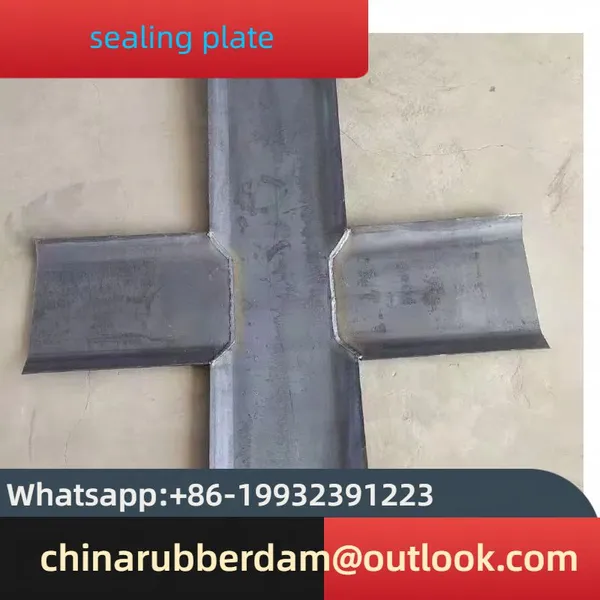 Read More
 -
Steel and Copper Plates Play Key Roles in Architectural Waterproofing
June 26, 2025In the realm of construction, ensuring effective waterproofing is of utmost importance. Steel and copper plates have emerged as cr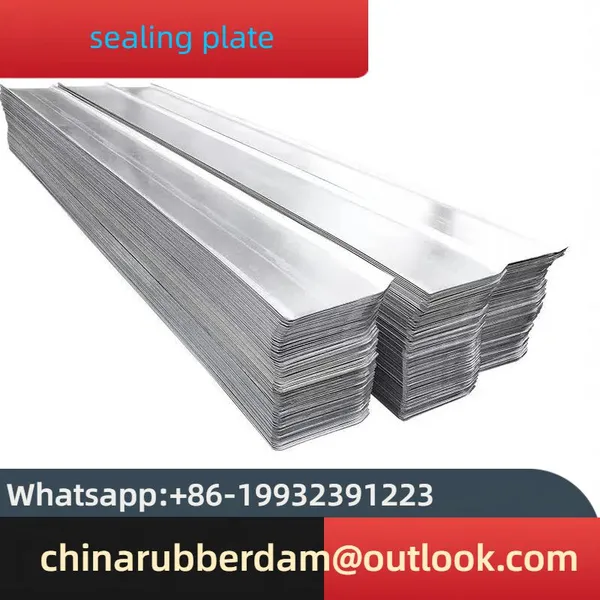 Read More
 -
Installation Steps and Precautions of Gabion Nets
June 26, 2025In recent infrastructure and environmental protection projects, gabion nets have emerged as a popular choice due to their durabili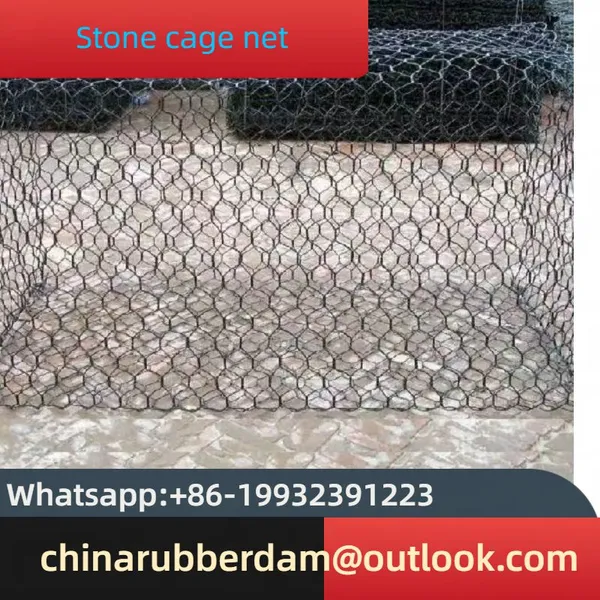 Read More
 -
Applications of Gabion Mesh: Protecting and Enhancing the Environment
June 26, 2025In recent years, gabion mesh has emerged as a versatile and effective solution for a wide range of applications, particularly in t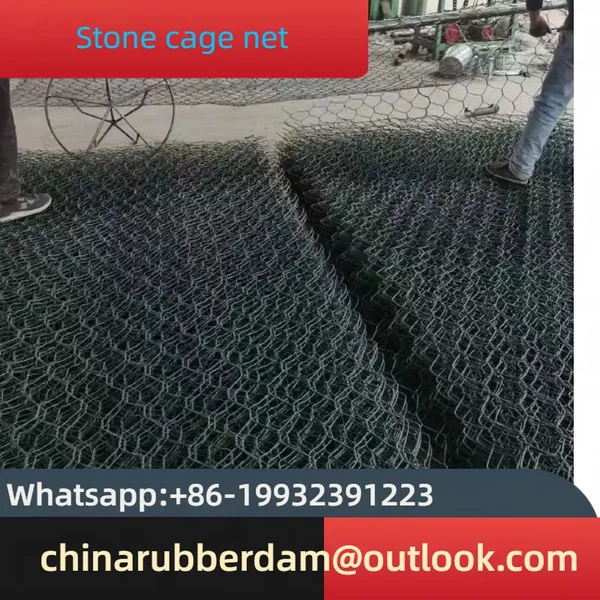 Read More

Contact Us
Recommended Products
-
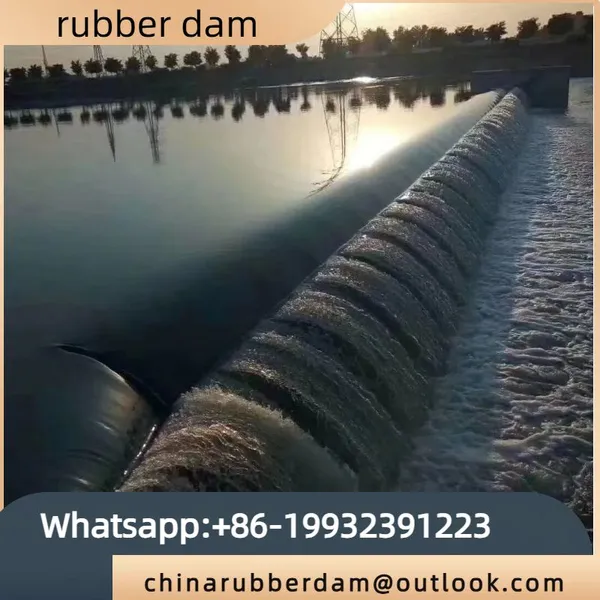
 River Water Storage Landscape Rubber Sluice Bag Rubber Dam Water Filling River Blocking Dam Embankment Inflatable DamUS$ 5200 - 6500MOQ: 1 Bag
 -
Small Rubber Dam Slope Inflatable Landscape Dam Can be CustomizedUS$ 5200 - 6500MOQ: 1 Bag
-
Whole Slope Landscape Ecological Rubber Dam Spot Circular Rubber DamUS$ 5200 - 6500MOQ: 1 Bag
-
Customized Production of Book Style Inflatable Flood Control Dam, Retaining Dam, Steel Wire Boneless Rubber DamUS$ 5201 - 6500MOQ: 1 Bag
-
Small Inflatable Rubber Dam Water Injection Rubber Dam Bag Dam Source ManufacturerUS$ 5201 - 6500MOQ: 1 Bag

-
Supply Rubber Dam With Dam, Inflatable Dam for Sale in StockUS$ 5200 - 6500MOQ: 1 Bag
-
Large Scale Hydraulic Engineering Hydraulic Steel Dam Landscape Hydraulic Dam in Hebei, China, Replica Steel Gate Rubber Dam for Retaining DamUS$ 5200 - 6500MOQ: 1 Bag
-
Cast Iron Square Gate/Source Manufacturer Cast Iron Gate SFZ-2000x2000 Matched With Electric Hoist Screw RodUS$ 999 - 1200MOQ: 10 Pairs
-
Steel Gate Source Manufacturer Supplies Stainless Steel Gate ZSZ-2400x2400 Water Stop GateUS$ 999 - 1200MOQ: 10 Pairs
-
Round Copper Inlaid Cast Iron Gate/Manufacturer Produces Concealed Cast Iron Gate AYZ500 Hoist Cast Iron GateUS$ 999 - 1200MOQ: 10 Pairs
-
Stainless Steel Gate Manufacturer Produces ZSZ Type Water Stop Gate, Two-way Water Control Gate, Customized in Hebei, ChinaUS$ 999 - 1200MOQ: 10 Pairs
-
Steel Edge Rubber Waterstop Manufacturer in Stock, Wholesale in Large Quantities, With Good Sealing and Detachable Rubber WaterstopUS$ 50 - 79MOQ: 100 Meters
-
Construction of Water Injection Rubber Dam Factory, River Interception Dam, Gas Shield Dam Interception Dam ProjectUS$ 5200 - 6500MOQ: 1 Bag
-
Slope Pillow Type Water Filled Rubber Dam Construction Rubber Dam Solid FactoryUS$ 5199 - 6500MOQ: 1 Bag
-
New Rubber Dam Garden Style Dam, Simple Dam, Automatic Lifting Rolling Dam, in StockUS$ 5200 - 6499MOQ: 1 Bag
-
Customized Automatic Lifting Dam for Horizontal Steel Dam Under Hydraulic Supply, River Interception, Water StorageUS$ 5200 - 6600MOQ: 1 Bag
-
Large Supply of Inflatable Rubber Dams for River and Water Interception Without Overlapping JointsUS$ 5200 - 6500MOQ: 1 Bag
-
Repair and Replace Small River Flood Prevention and Control Dams, Air Shield Dams, Seamless Overlapping Rubber DamsUS$ 5200 - 6500MOQ: 1 Bag
-
Factory Sales of Slope Type Water Filled Rubber Dam. Chinese Strong Merchants Can Customize According to Their PicturesUS$ 5200 - 6500MOQ: 1 Bag
-
The Manufacturer Supplies a Large Number of ZSZ Type Water Gates, Bi-directional Water Gates, Stainless Steel Gates, and Various Types of GatesUS$ 1000 - 1201MOQ: 10 Pairs